


Click HERE to read the original article on Medium.com
How’s that for a depressing title? Shouldn’t we be focusing on Thanksgiving? Friends, Family, and Gratitude? While that is the core of the holiday season for most of us, the reality is that the season of giving sometimes brings seniors into contact with relatives who are not looking out for their best interests.
Stranger Danger?
Not all financial exploitation is perpetrated by strangers. Phone and internet scams are a real threat, but sometimes it is the individuals who are closest to us who we need to watch out for. The legal definition of exploitation is “abusing one’s relationship”. In this setting, pressuring, coercing or “guilting” a senior into handing over a portion of his or her nest egg.
Perhaps a grandson has a “sure thing business deal” that just needs some start-up capital. Maybe a niece is going to drop out of school because of her student loans. It could be that cousin Eddie just needs a few dollars to give his kids the best Christmas ever.

According to the Securities Industry and Financial Markets Association (SIFMA), seniors in the United States lose an estimated $2.9 billion each year in cases of financial exploitation reported by media outlets. ¹ Real losses are most likely higher, since only 1 in 44 cases of financial fraud is even reported to authorities.
The Consumer Financial Protection Bureau released a report in February 2019 that states Suspicious Activity Reports (SARs) on elder financial exploitation quadrupled from 2013 to 2017, with nearly 80% of these reports involving a monetary loss. The average monetary loss was $34,200.
Losses were greater when the older adult knew the suspect. The average loss per person was about $50,000 when the older adult knew the suspect and only $17,000 when the suspect was a stranger.
Why seniors?

The FBI states that seniors should be especially aware of fraud schemes because:
· Senior citizens are most likely to have a “nest egg,” to own their home, and/or to have excellent credit — which make them attractive to con artists.
· People who grew up in the 1930s, 1940s, and 1950s were generally raised to be polite and trusting. Con artists exploit these traits, knowing that it is difficult or impossible for these individuals to say “no” or just hang up the telephone.
· Older Americans are less likely to report a fraud because they don’t know who to report it to, are too ashamed at having been scammed, or don’t know they have been scammed. Elderly victims may not report crimes, for example, because they are concerned that relatives may think the victims no longer have the mental capacity to take care of their own financial affairs.
· When an elderly victim does report the crime, they often make poor witnesses. Con artists know the effects of age on memory, and they are counting on elderly victims not being able to supply enough detailed information to investigators. Also, the victims’ realization that they have been swindled may take weeks — or more likely, months — after contact with the fraudster. This extended time frame makes it even more difficult to remember details from the events.
Elderly victims may not report crimes because they are concerned that relatives may think the victims no longer have the mental capacity to take care of their own financial affairs.
The Grandparent Scam:
In the past decade we’ve had three clients (that we know of) who fell victim to the “Grandparent Scam”. For those of you not aware of how that scam works, here’s a PDF from the Consumer Federation of America with details of how this scam works:
One client lost $10,000 over two transactions. Another client was on his way to send money when he called a family member for advice, who pointed out the scam. A third client engaged in three phone calls with the scammers before he disengaged.
These clients are retired professionals who have been very successful in their lives. This proves how good these scammers can be. It’s easy to think “I could never fall for that”, but these scammers can sound very convincing in the heat of the moment.
How can you help those you love?

The best thing you can do for elderly family members is to start an honest discussion. Let them know about scams that are out there. It’s important that they know you are there to provide assistance, in a non-judgmental way. As mentioned on the FBI website, older Americans may not report crimes, or ask for help when feeling coerced by other family members, because they are concerned that relatives might think they no longer have the mental capacity to take care of their own financial affairs.
Consider adding a trusted contact to your financial accounts:
Charles Schwab & Company (and many other financial institutions) allows account holders of all ages to name a “Trusted Contact” on their accounts. A trusted contact is someone Schwab can get in touch with to:
· Discuss activities or other possible red flags that might suggest you’re being financially exploited.
· Confirm your current contact information (to guard against unauthorized address changes)
· Confirm your mental or physical health status
A trusted contact is NOT someone with power of attorney over your financial affairs, or someone who can implement transactions on your accounts (unless you have previously provided that authorization via the appropriate legal documents).
If Schwab sees suspicious activity in a client account, they will contact the client, as well as the client’s investment advisory firm, but what if they can’t reach the client or advisory firm? Perhaps Schwab notices a banking transaction on the weekend, or perhaps you are traveling and not available by phone. A trusted contact gives Schwab one other contact to verify information to help keep your accounts safe.
A trusted contact is usually a friend or family member who would be in the best position to know your current situation, and someone you would trust to receive a call from Schwab if you were unavailable and they suspected fraudulent activity. A trusted contact is usually not your financial advisor or spouse, as they would typically already have access to your information.
For any of our clients reading this, please let us know if you would like to add a trusted contact to your Schwab accounts. For other readers, reach out to your advisors (or your parent’s advisors) and ask if they can offer this service for added peace-of-mind.
About the author
William B. Burns, Jr. CFP® is a CERTIFIED FINANCIAL PLANNER professional and President of Burns Matteson Capital Management, a Financial Planning and Investment Advisory Firm with clients throughout the United States. He helps high-net-worth families reduce the worry and anxiety sometimes associated with wealth, allowing families to reclaim that time to reinvest back into their family, social, and professional relationships. www.BurnsMatteson.com
 Eric Sweet, FPQP®
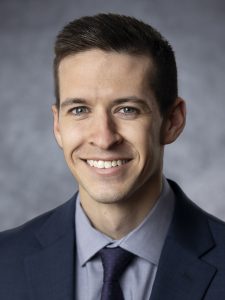 Nathan R. Burns, MBA
 Christopher Davis, CFP®
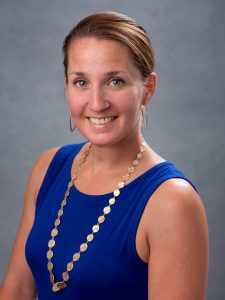 Kelley Zimmerman, FPQP®
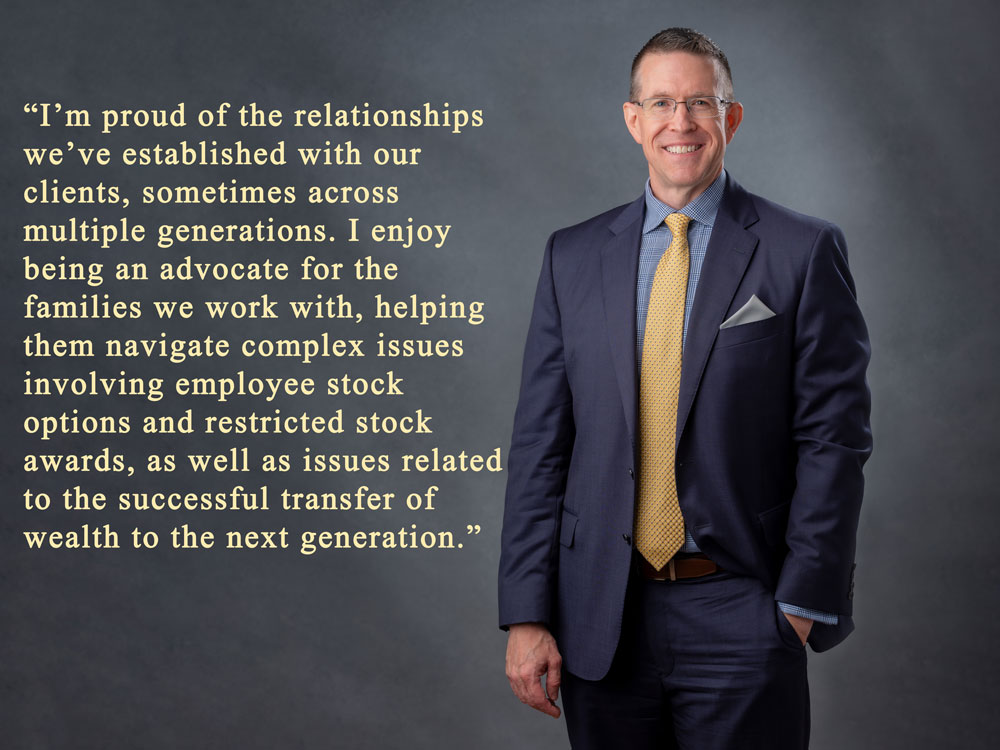 William B. Burns JR., CLU, ChFC, REBC, CFP®
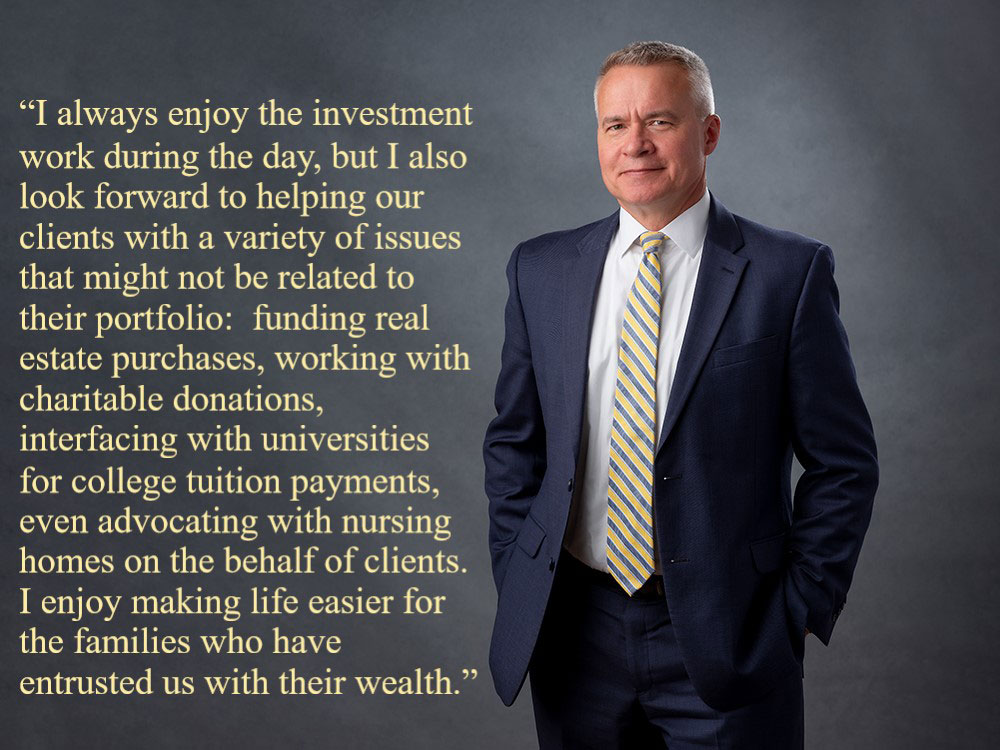 William F. Redder